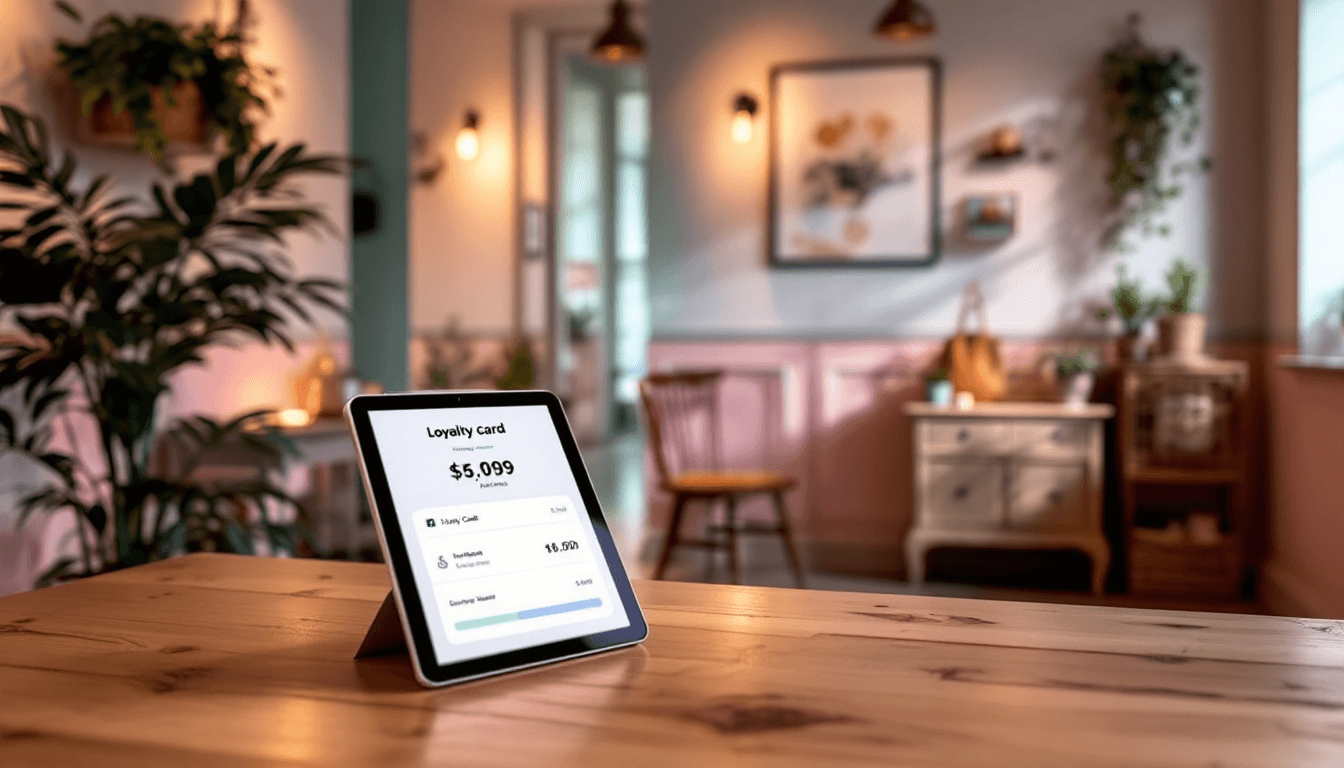
Introduction to Digital Loyalty Cards

In the bustling world of small business, keeping customers returning is not just a goal, it's a necessity. Digital loyalty cards have emerged as a powerful tool for small businesses in the UK, offering a modern twist on a tried-and-true strategy. But what exactly are digital loyalty cards, and why are they relevant to small businesses?
What are digital loyalty cards?
Digital loyalty cards are the electronic version of the traditional punch card system. Instead of a paper card, customers use their smartphones to collect and redeem loyalty points. This can be done through apps or digital wallet passes, like those offered by Stampet, which customers can add to Apple Wallet or Google Wallet. This not only reduces clutter in their wallets but also ensures they never forget their loyalty card at home.
Why small businesses should consider digital loyalty
For small businesses, digital loyalty cards offer an opportunity to engage customers in a personalised way. As customer expectations shift towards convenience and immediacy, these cards can enhance the shopping experience, making it more seamless and satisfying. Moreover, they provide businesses with valuable data on customer behaviour, enabling more tailored marketing efforts.
Key benefits over traditional loyalty methods
Digital loyalty cards offer several advantages over their traditional counterparts. They eliminate the need for printing physical cards, thus reducing costs and environmental impact. Additionally, they allow for instant updates and communication with customers, such as notifying them of a new reward or an upcoming sale. Platforms like Stampet make it straightforward to integrate these capabilities into your business, ensuring you keep pace with modern consumer expectations.
Cost Savings with Digital Loyalty Cards
In the competitive landscape of small business, managing costs effectively can make a significant difference. Digital loyalty cards present a unique opportunity to cut various expenses while maintaining, or even increasing, customer engagement.
Reducing marketing costs
Traditional marketing efforts can be costly and difficult to track. With digital loyalty cards, businesses can reduce these costs significantly. By using platforms like Stampet, businesses can send targeted promotions directly to customers' phones, eliminating the need for print advertising. This targeted approach not only saves money but also increases the likelihood of customer engagement.
Lowering customer acquisition costs
Acquiring new customers can be five times more expensive than retaining existing ones. By enhancing customer loyalty through digital cards, businesses can focus on retaining customers rather than constantly seeking new ones. This shift can lead to substantial savings in marketing and advertising costs.
Decreasing customer service expenses
Digital loyalty programmes can also lead to a reduction in customer service expenses. Loyal customers are generally more familiar with your business, leading to fewer inquiries and complaints. Moreover, digital platforms can streamline communication, further reducing the need for extensive customer service resources.
Maximising Customer Retention
Customer retention is a critical aspect of any successful business strategy. Digital loyalty cards offer an effective means of enhancing retention through personalised experiences and valuable incentives.
Personalised customer experiences
With digital loyalty systems, personalisation becomes much easier and more effective. Businesses can tailor offers based on customer preferences and behaviours, making customers feel valued and understood. This sense of personal connection encourages repeat visits and fosters loyalty.
Incentives and rewards
Offering rewards is a proven method for increasing customer retention. Digital loyalty cards allow for easy management of rewards programmes, ensuring customers are motivated to return. For example, a coffee shop might offer a free drink after ten purchases, seamlessly tracked through a Stampet wallet pass.
Data-driven customer insights
One of the most powerful aspects of digital loyalty cards is the data they provide. By understanding who your repeat customers are and what they purchase, businesses can make informed decisions about inventory, promotions, and customer service. Stampet offers these insights, turning every transaction into actionable data.
Want to use data to retain customers more effectively? Stampet helps you understand your customers better, enhancing loyalty through meaningful insights. Explore Stampet today.
Implementing a Digital Loyalty Card System
Transitioning to a digital loyalty system is a strategic move for many small businesses. However, the process requires careful planning and execution to ensure success.
Choosing the right platform
Selecting the right platform is crucial for a smooth transition. Look for a solution that is easy to use for both your business and your customers. Stampet, for instance, offers a user-friendly interface and seamless integration with existing systems, making it an attractive option for small businesses.
Easy steps to get started
Getting started with digital loyalty cards doesn't have to be complicated. Begin by identifying your goals and what you hope to achieve with your programme. Next, set up your digital pass, customise the design, and decide on the rewards structure. Platforms like Stampet can guide you through these steps with ease.
Staff training and integration
Ensuring your staff is comfortable with the new system is essential. Provide training on how to use the digital loyalty platform and handle customer inquiries. Integration is also key, so make sure your staff understands how the digital loyalty system fits into existing processes.
Real-World Examples and Success Stories
Seeing how other businesses have successfully implemented digital loyalty cards can be inspiring and informative.
Case studies of local businesses
Consider a local café that switched from paper to digital loyalty cards. By using Stampet, they were able to reduce costs associated with printing cards and increased customer engagement through targeted offers. The café reported a significant increase in repeat visits, contributing to a 42% of repeat guests generating 80% of total sales.
Lessons learned and best practices
One key lesson from businesses that have adopted digital loyalty cards is the importance of personalisation. Tailoring offers and rewards to individual customers can dramatically increase engagement and satisfaction.
Impact on business growth
The impact of digital loyalty cards on business growth can be substantial. Improved retention rates lead to higher profits. In fact, improving retention by just 5% can lift profits by 25 to 95%. This kind of growth is achievable for small businesses that effectively utilise digital loyalty systems like Stampet.
Evaluating Your Loyalty Programme's Success
To determine the effectiveness of your digital loyalty card system, monitor key performance indicators and customer feedback regularly.
Track redemption and usage rates
Regularly assess how many customers are using the loyalty cards and redeeming rewards. High redemption rates indicate that your programme is successfully engaging customers.
Measure customer retention and spend
Evaluate whether customer retention rates and average spend per visit have increased since implementing the digital loyalty system. An upward trend in these metrics suggests that your programme is contributing positively to your business.
Solicit customer feedback
Encourage customers to provide feedback on their experience with the digital loyalty programme. This feedback can offer valuable insights into areas for improvement and help refine your strategy.
Ready to see tangible results from your loyalty programme? Stampet provides the tools and insights you need to measure success effectively. Start your journey with Stampet.